
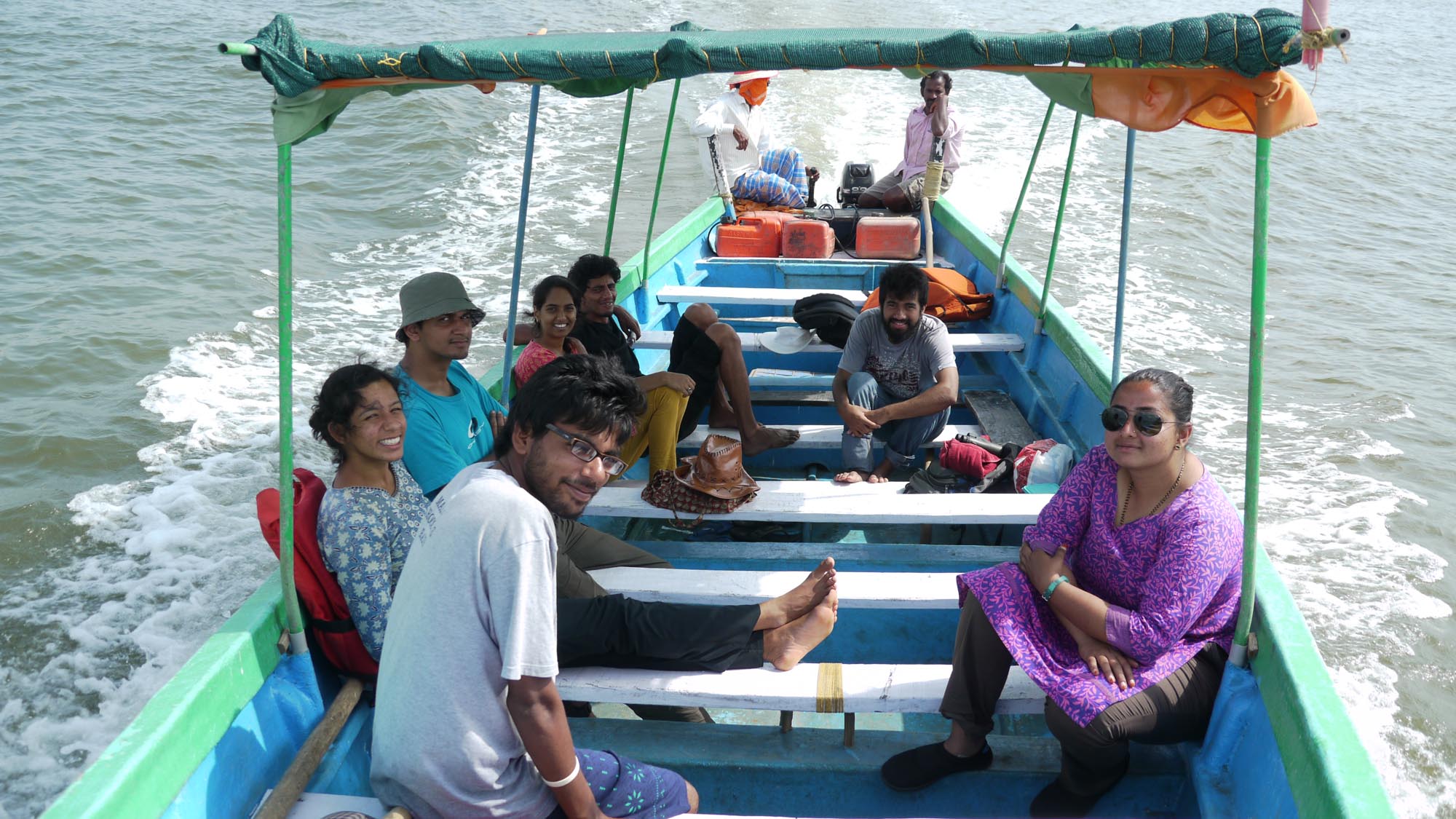
A decade of studying one place, before changing anything in it.
Field-based, always co-attributed with named partners, and carried through to something built, published or argued in public.
02Research Philosophy
Research here is not a separate department. It is one link in a longer chain.
Panchabhuta’s own institutional method runs Landscape → Knowledge → Community → Enterprise → Policy → Replication. Research is the Knowledge link — evidence made permanent and citable, never produced for its own sake. It is what makes everything downstream of it, from a policy argument to a new venture, something PCF can stand behind.
For entrepreneurs building inside the incubator, the same commitment has an applied, tool-by-tool form: the Innovation Toolkit’s own five-step sequence — Imagine, Nature, People, Story, Realise. A different document, the same posture: study the place first.
03Research Portfolio
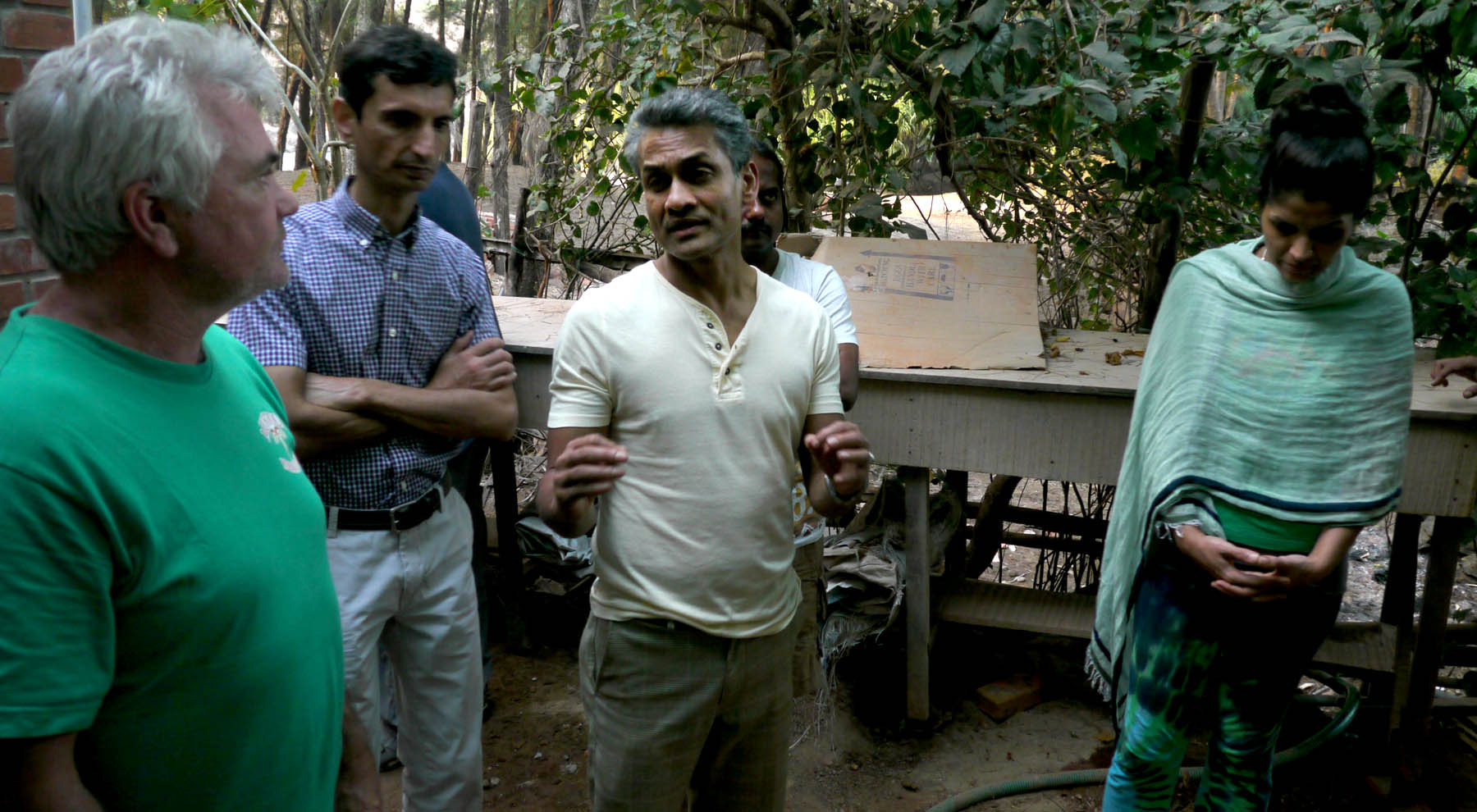
What PCF is actively studying and developing — completed studies, work still ongoing, and initiatives still in proposal stage, each labelled as what it actually is.
Basin & Ecosystem Mapping
OngoingEcosystem assessment and mapping across the Aghanashini basin — the research record behind PCF's conservation claims.
Ecosystem Services Valuation
CompletedThe Aghanashini basin's ecosystem services, valued at approximately US$297M per year — later used as evidence against the proposed Tadadi Port.
Hut to Hut (2012)
Field-AppliedA January 2012 design-build workshop producing a prefabricated hut prototype — acacia-frame construction with a woven bamboo façade — the direct research precursor to Biogenic Prefabs.
The Innovation Toolkit
CompletedA 55-page applied methodology — Imagine, Nature, People, Story, Realise — in active use inside PCF's incubation work.
Ingredient Science
OngoingSourcing and characterisation of native botanicals, including kokum butter, at the Kagal field station — feeding Wild Ghats' product line.
Community & Livelihoods Research
CompletedSocio-economic studies on fishing, aquaculture and medicinal-plant use, plus homestay eco-tourism research that now feeds the Biogen Wellness joint-venture tourism model.
Tadadi Port Policy & Advocacy
CompletedThe evidentiary basis, escalated via IISc and UN-level channels, for advocacy that halted the proposed Tadadi Port.
Bamboo Economy Feasibility Study
CompletedA January 2019 feasibility study exploring a potential bamboo economy for the region — a planning document, not a record of an operating venture.
Rural Green Business Incubator
Proposed — Not Yet OperationalA proposal to establish a rural green business incubator in Uttara Kannada, spanning marine, bamboo, transport, food-agro and homestay verticals. Not yet operational.
Mangrove Innovation Lab
Proposed — Not Yet OperationalA research-driven hub concept for the Aghanashini ecosystem, in early proposal stage. No partners confirmed; land not yet secured.
04Field Knowledge
Every study on this page began the same way: someone spent time here first.
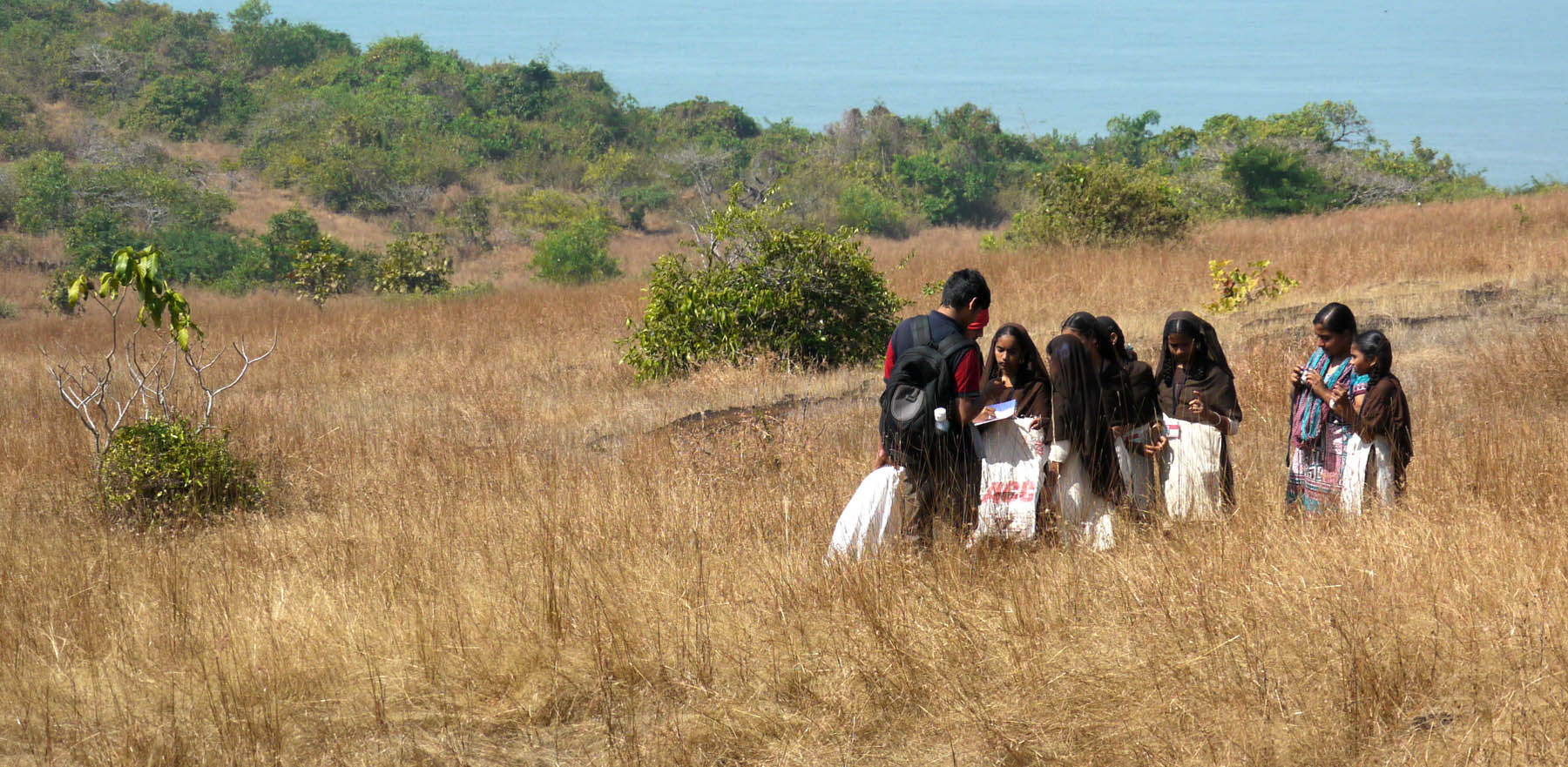
PCF’s field station at Birkodi, Nirvana Beach, Kagal is the operational base for that time — Permaculture Design Certificate courses, natural-cosmetics formulation workshops, and a children’s nature-walk field programme all run alongside PCF’s own research, not apart from it. Between 2013 and 2018, PCF’s research team combined a socio-economic study of the region with a study of local, traditional knowledge of medicinal plants — formal research built directly on what the community already knew.
05R&D & Innovation
Two initiatives now in early development — shown here as proposals, not achievements.
Mangrove Innovation Lab
Proposed — Not Yet OperationalA proposed research-driven hub for the Aghanashini ecosystem, dedicated to conservation and sustainable economic value creation. As of March 2025, the concept includes a vision, objectives and a phased multi-year plan — but land is marked only as available, not secured, and no partners are yet confirmed. No claim is made here beyond the fact that this proposal exists.
Rural Green Business Incubator
Proposed — Not Yet OperationalA proposal, developed with Gubbi Labs, to establish a rural green business incubator in Uttara Kannada, spanning marine, bamboo, transport, food-agro and homestay verticals. The proposal draws in part on PCF’s 2019 Bamboo Economy feasibility study. Its own funding and milestone plan targeted completion by 2023; there is no evidence in the source material of current operational status.
06From Research to Action
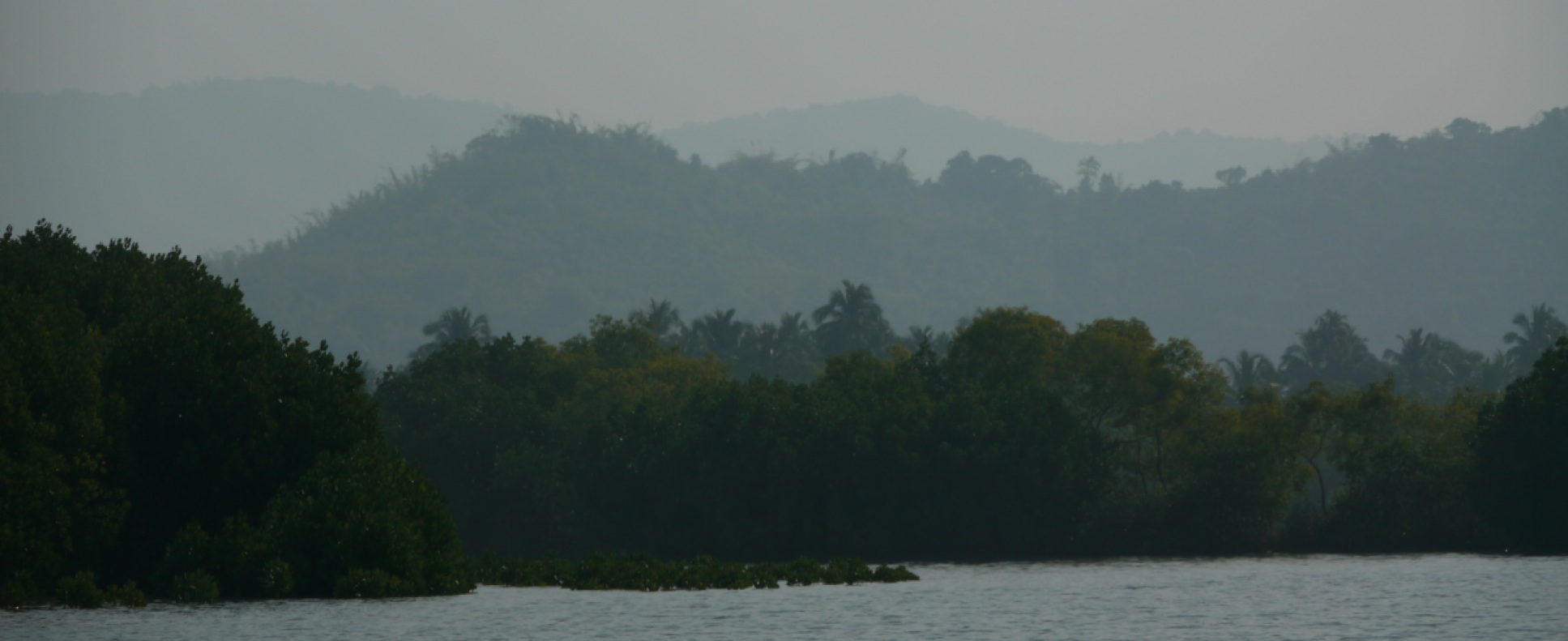
Research here doesn’t end as a paper.
It becomes a policy argument, or it becomes a venture. Four concrete lines from study to outcome:
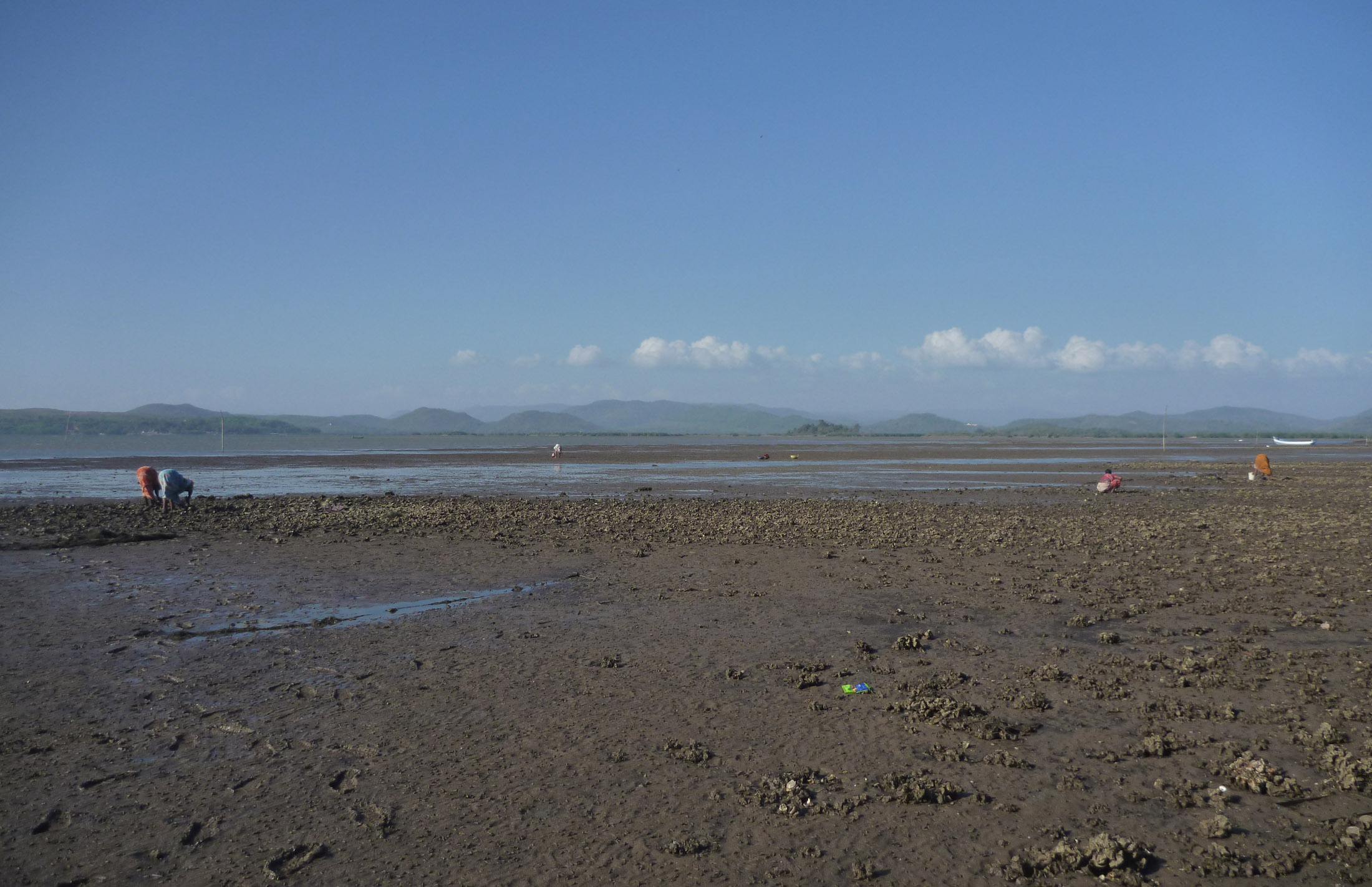
The ~US$297M/yr valuation became the evidentiary basis for advocacy that halted the proposed Tadadi Port — research used to argue against industrial extraction, not filed away.
The NTNU prefabrication workshop is the direct research precursor to Biogenic Prefabs — the same modular, reversible construction approach is now used in the field at Kirubeli Cove.
Native-botanical sourcing and characterisation at the Kagal field station feeds Wild Ghats' product line directly.
The Imagine → Nature → People → Story → Realise sequence is the working methodology entrepreneurs use to apply for and move through incubation.
07Go Deeper
This page is the portfolio. The Research Library is the archive underneath it.