
What we have learned by staying with the landscape.
Panchabhuta’s impact is documented, not asserted — through field work, research, community engagement, enterprise and conservation practice.
02Featured Story
A shipping port was planned for the mouth of this estuary. It was never built.
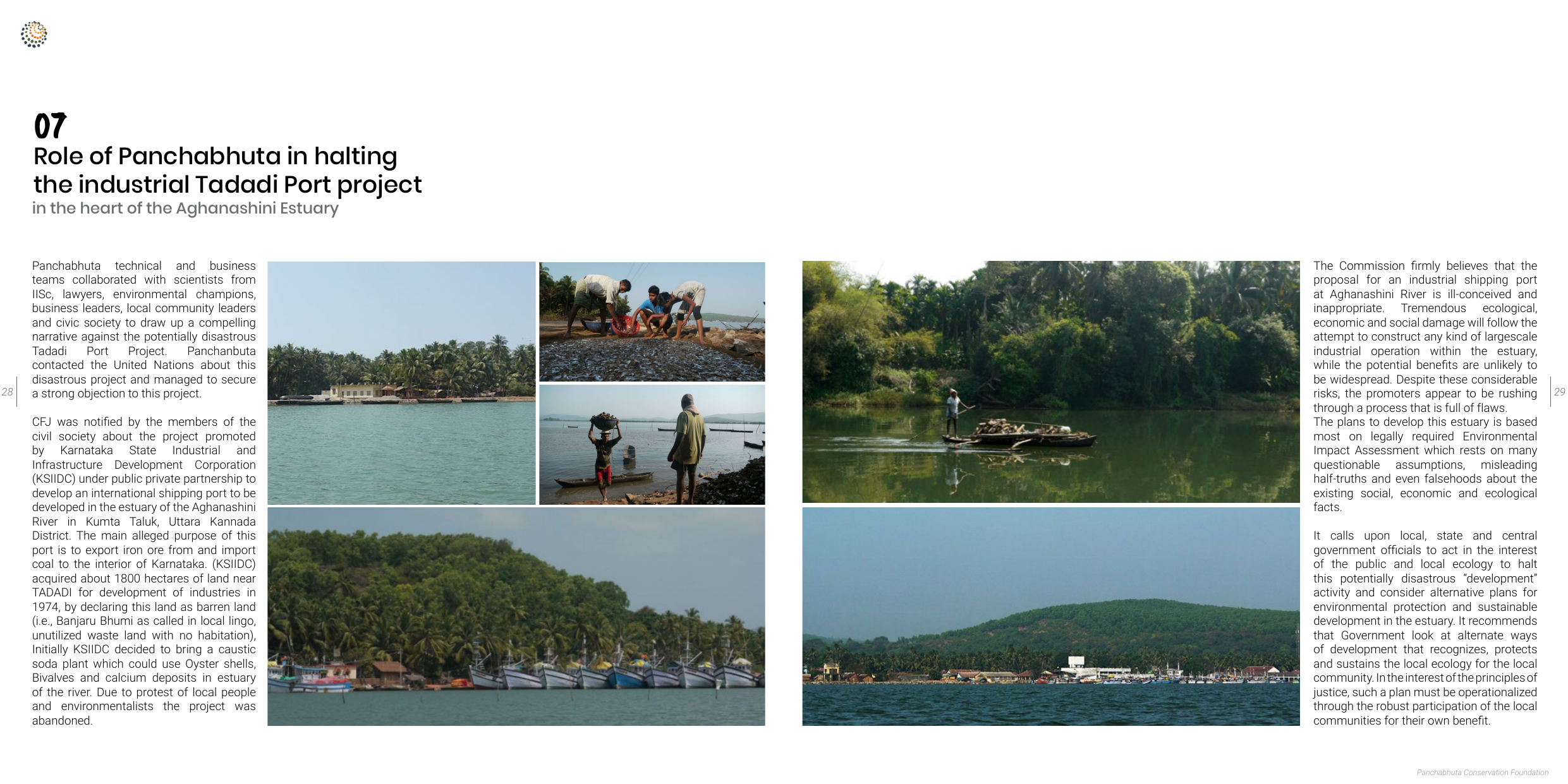
The proposed industrial Tadadi Port development threatened the Aghanashini Estuary — ecologically significant, Ramsar-designated, one of the few undammed estuaries on India’s west coast. Panchabhuta’s own research — basin mapping with Gubbi Labs and an ecosystem services valuation with UNISA Adelaide — became the evidentiary basis for advocacy, escalated via IISc and UN-level channels. The port project was halted. The record includes the UN Commission’s own quoted objection — independent, third-party validation, not Panchabhuta’s own claim. It remains the Foundation’s single most concrete, verifiable policy outcome.
03Impact Through the Landscape
The same sequence, every time: a place observed becomes evidence, evidence becomes community knowledge, and both become enterprise — and, where it matters, policy.
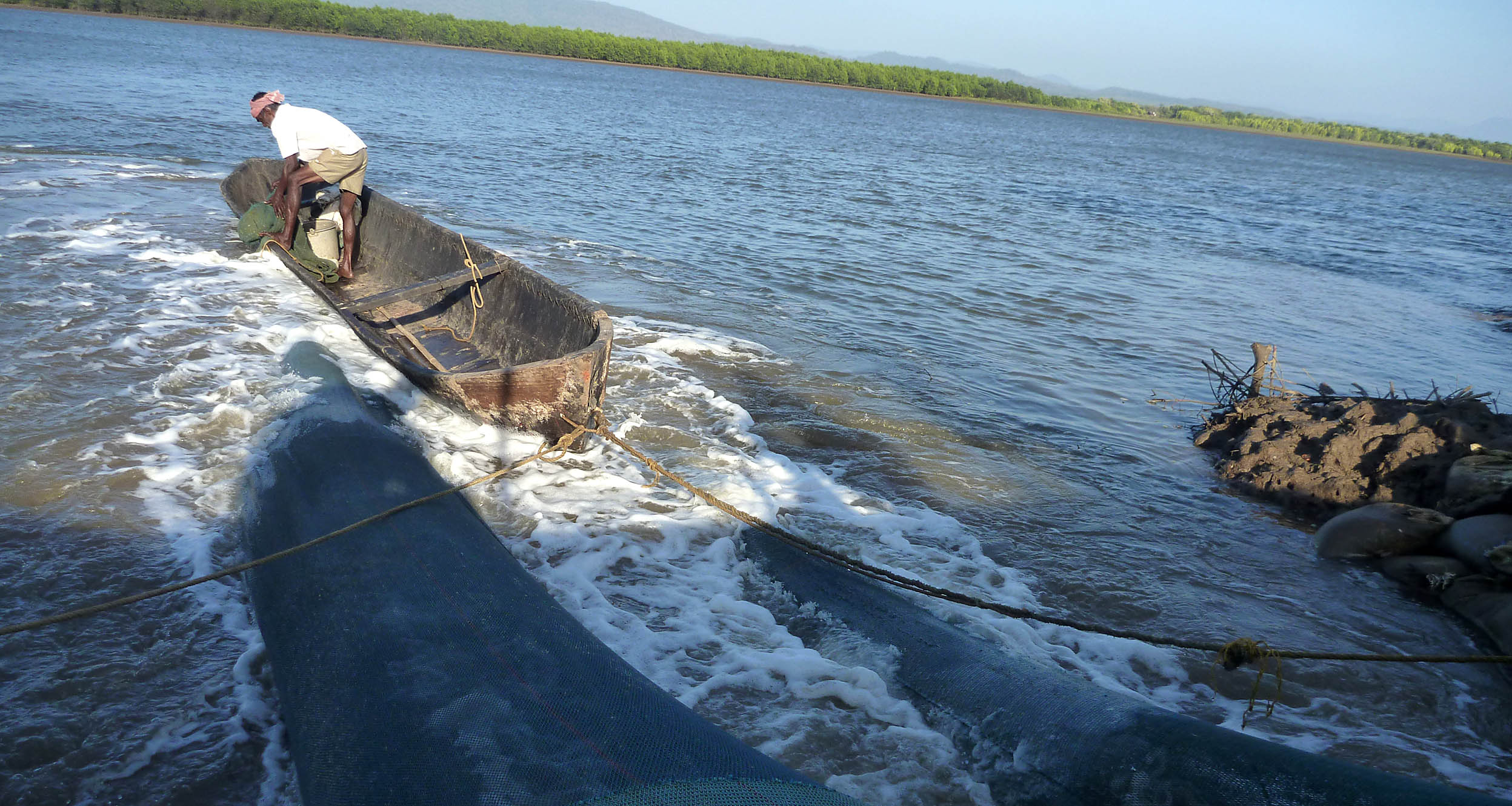
The Aghanashini Estuary — where every study starts.
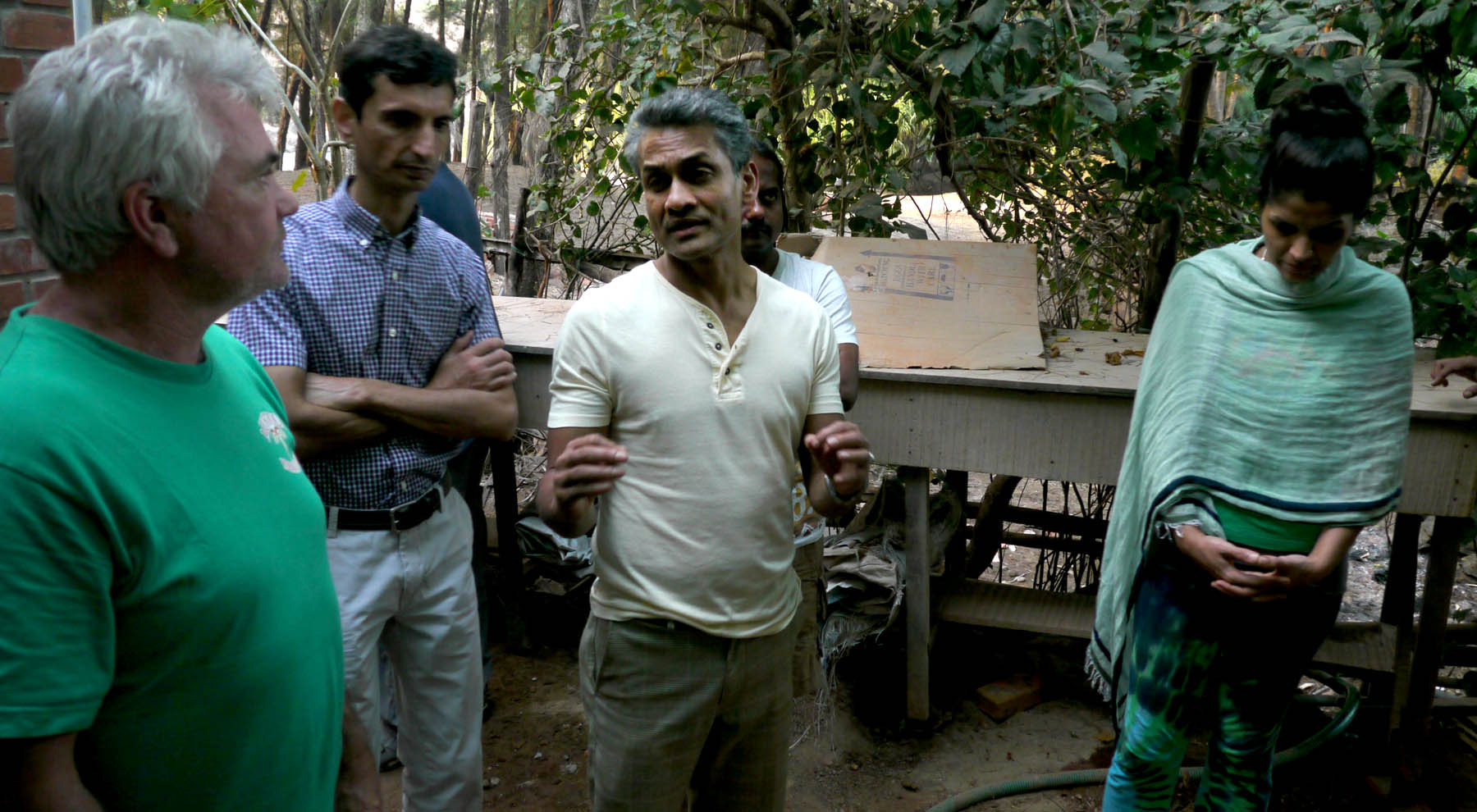
Basin mapping and field research, with named partners.
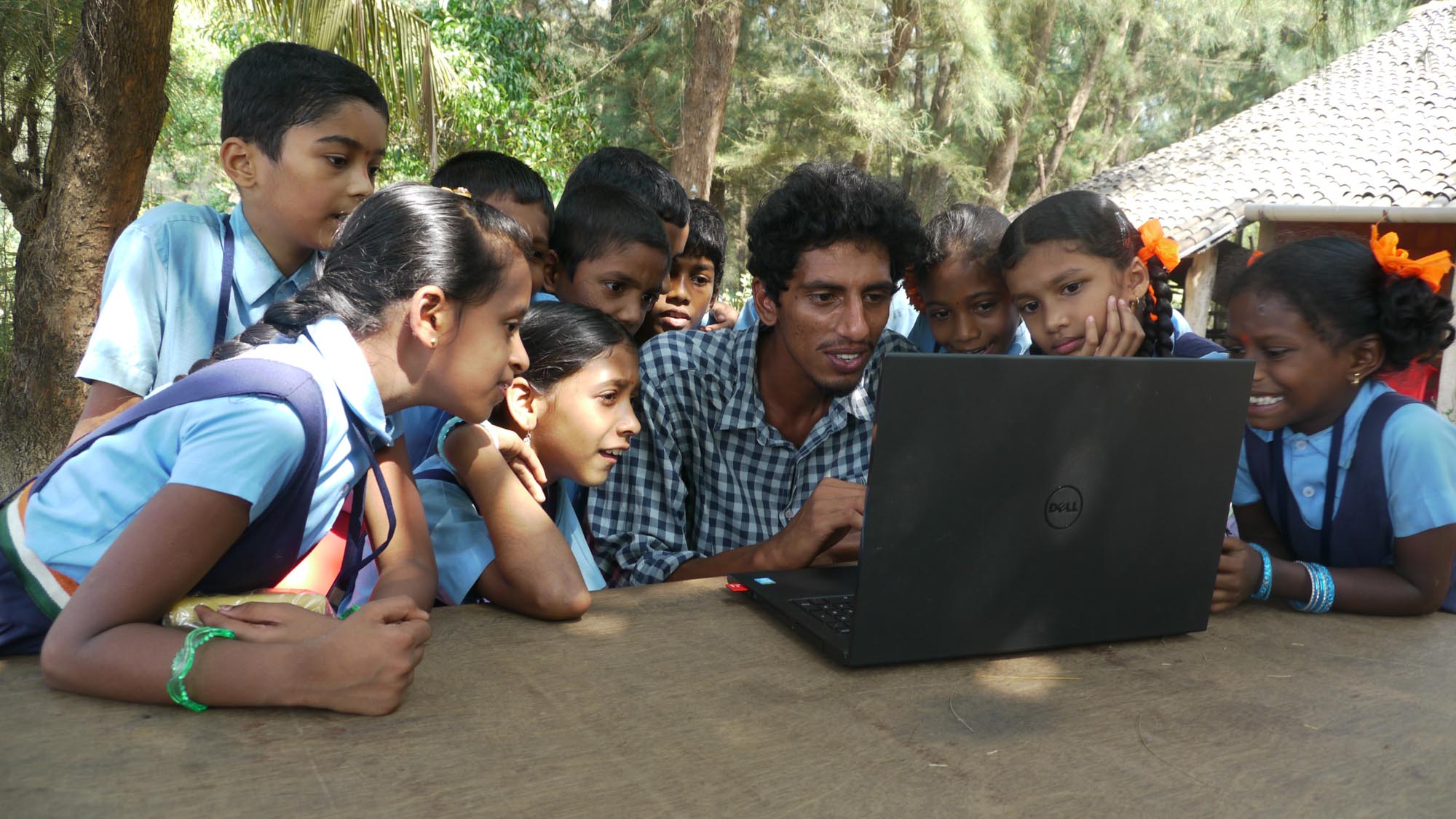
Local knowledge, reviewed and carried forward together.
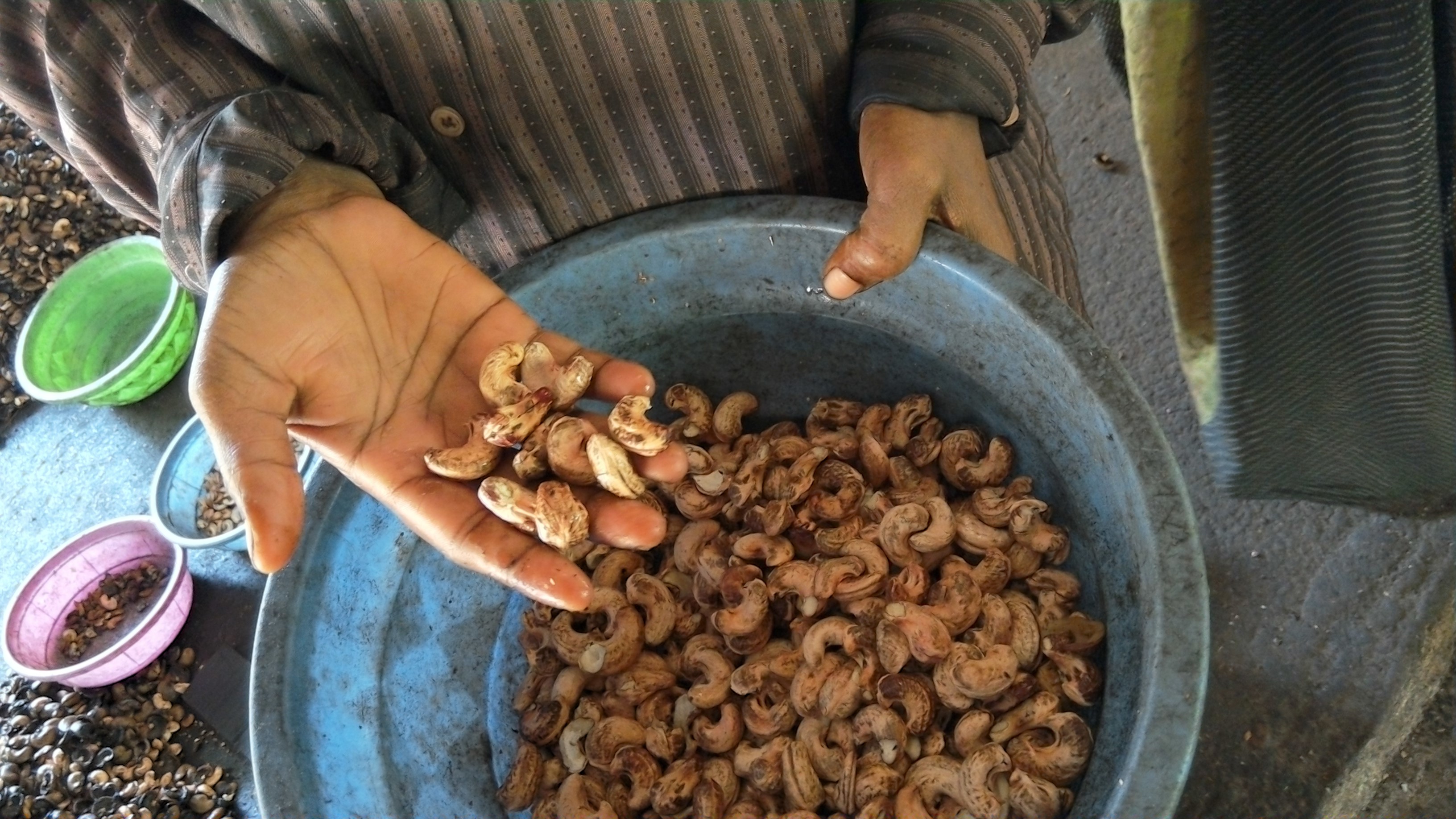
Livelihoods grown from the same research.
Where the evidence is strong enough — read the Tadadi Port story above.
04Field Notes
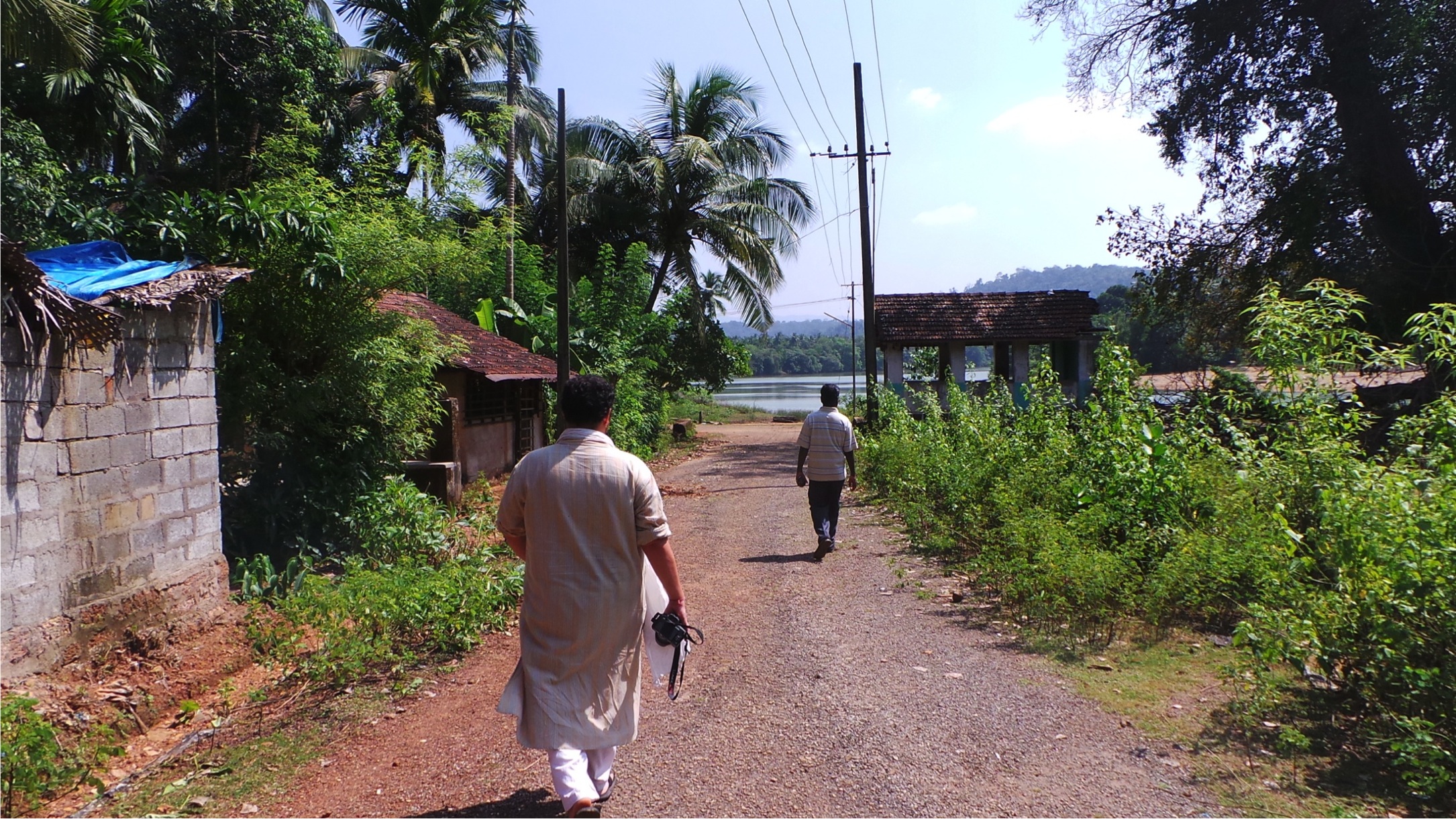
The 2016 Homestay Joint Venture
A real partnership with a family on the estuary, in Kumta taluk — structured as a venture, not administered as a programme, and still the clearest precedent for Panchabhuta's community work.
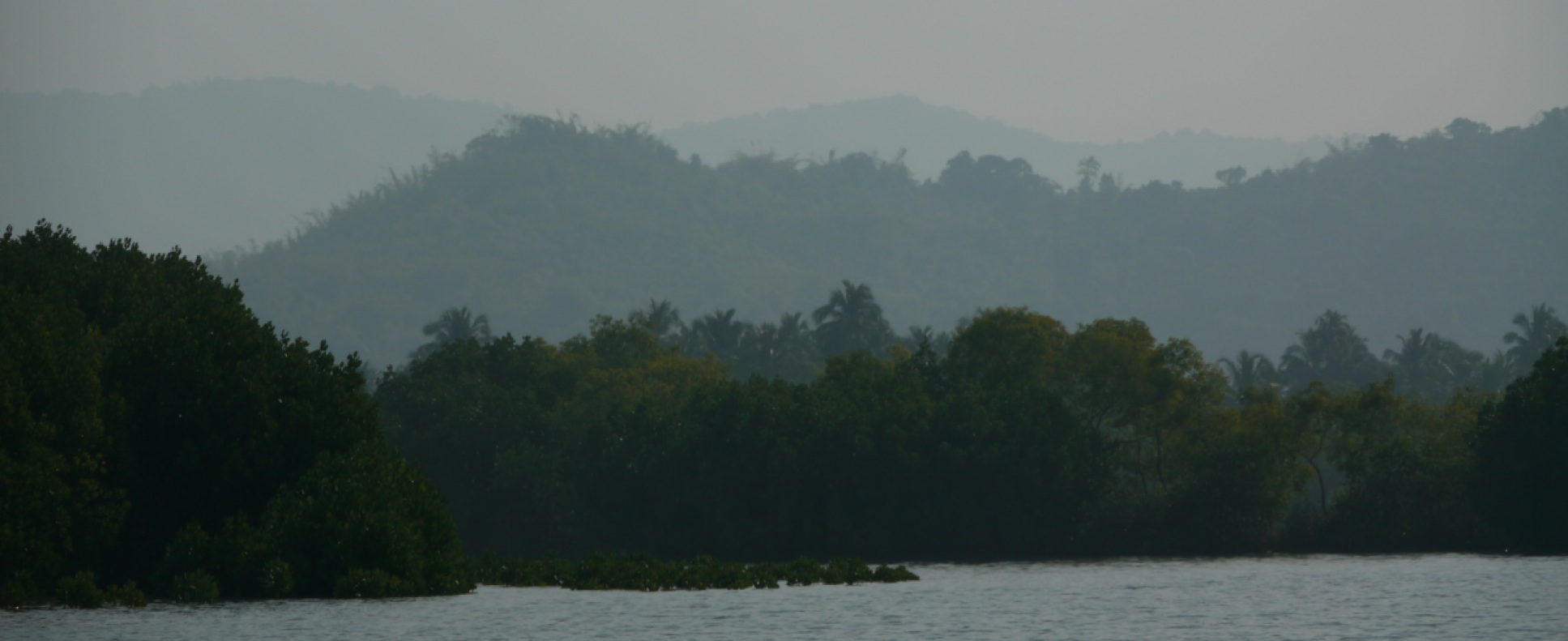
Basin & Ecosystem Mapping
The research record behind every conservation claim this site makes, with Gubbi Labs.
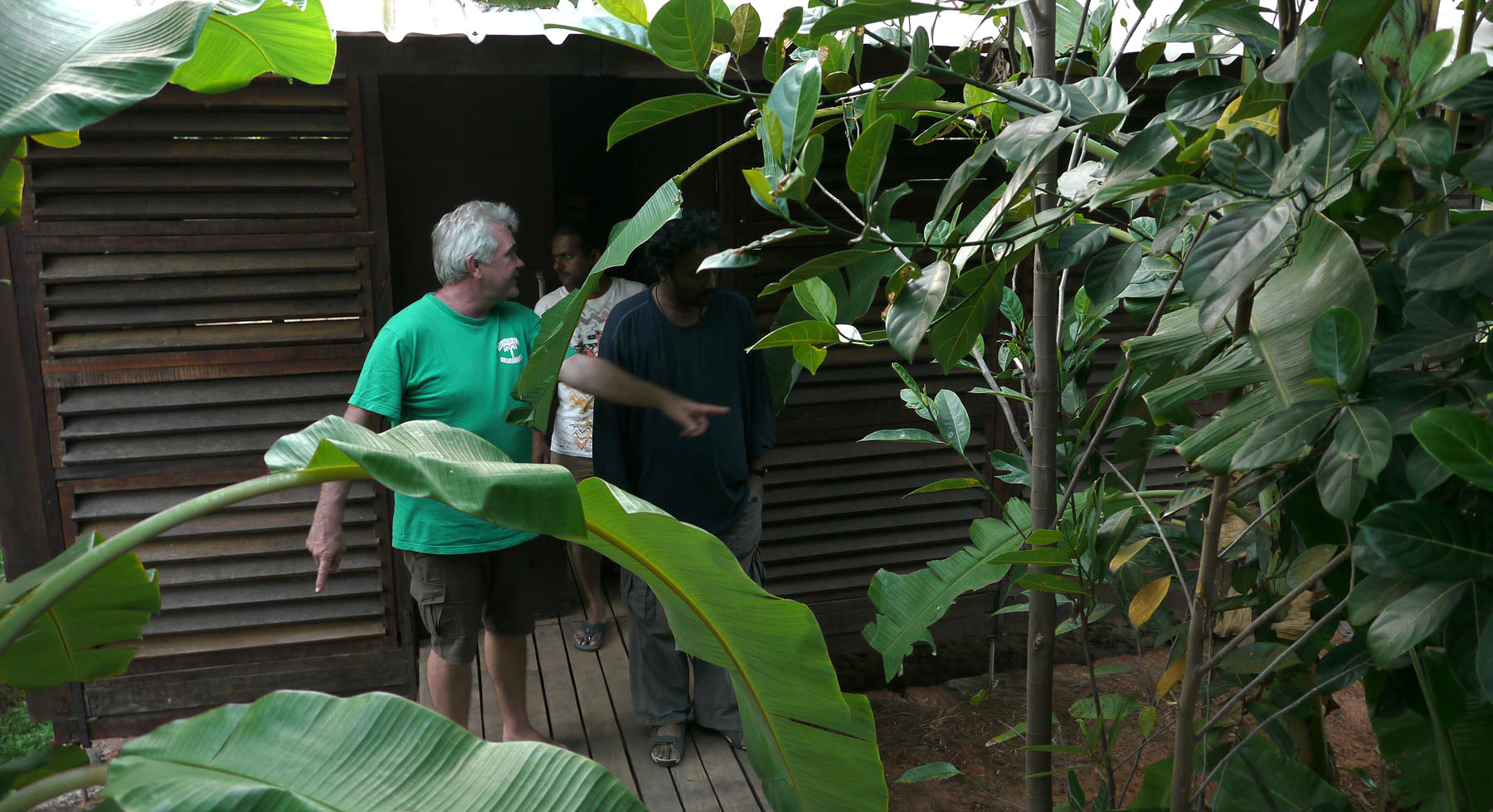
Permaculture Design Certificate, Kagal
Field-based courses at the Organic Wealth Centre, run alongside the field station's own research.
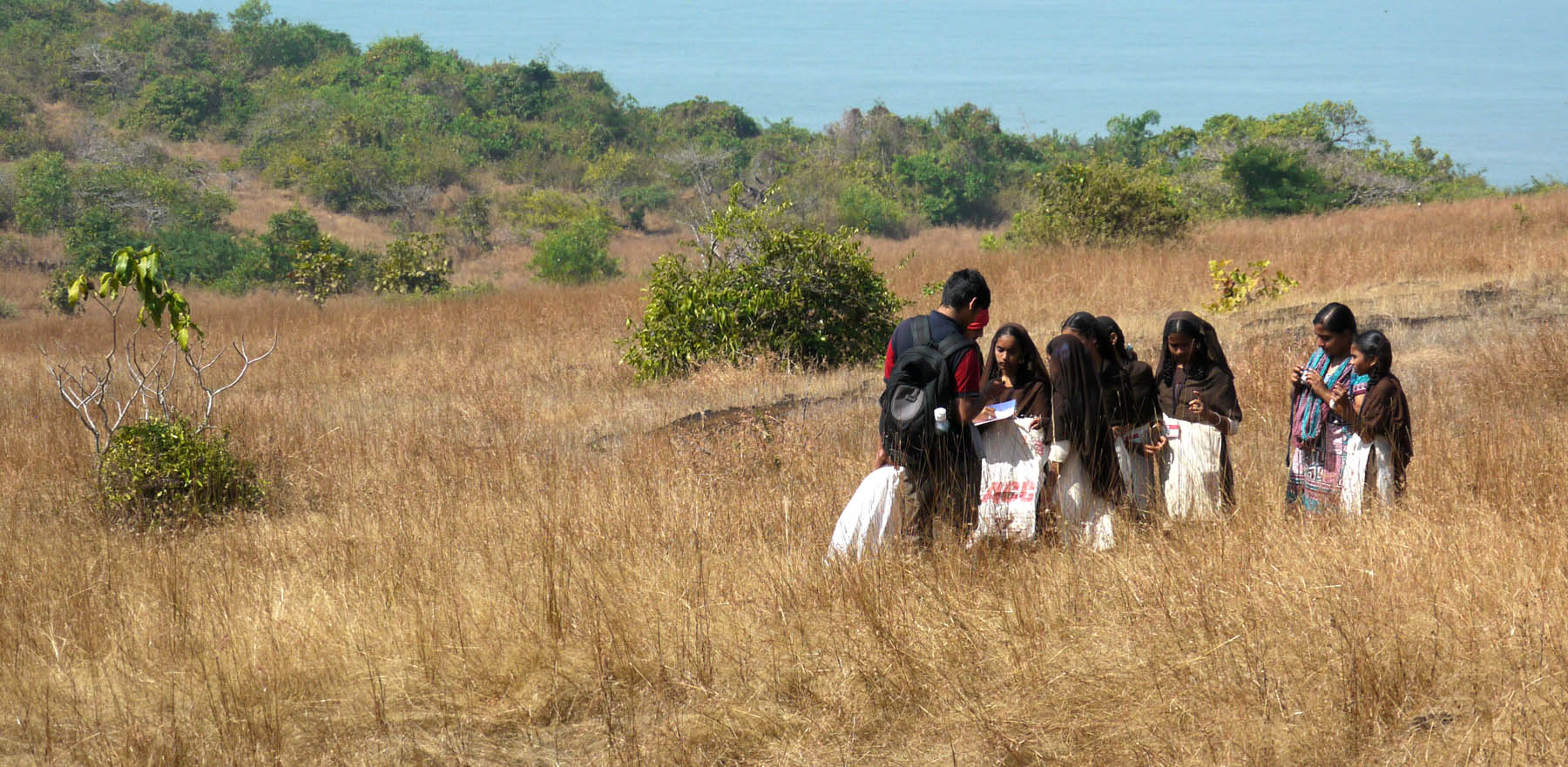
A Nature Walk, Reviewed Together
Part of the IBP field programme — students and a facilitator on coastal grassland, reviewing what they observed.
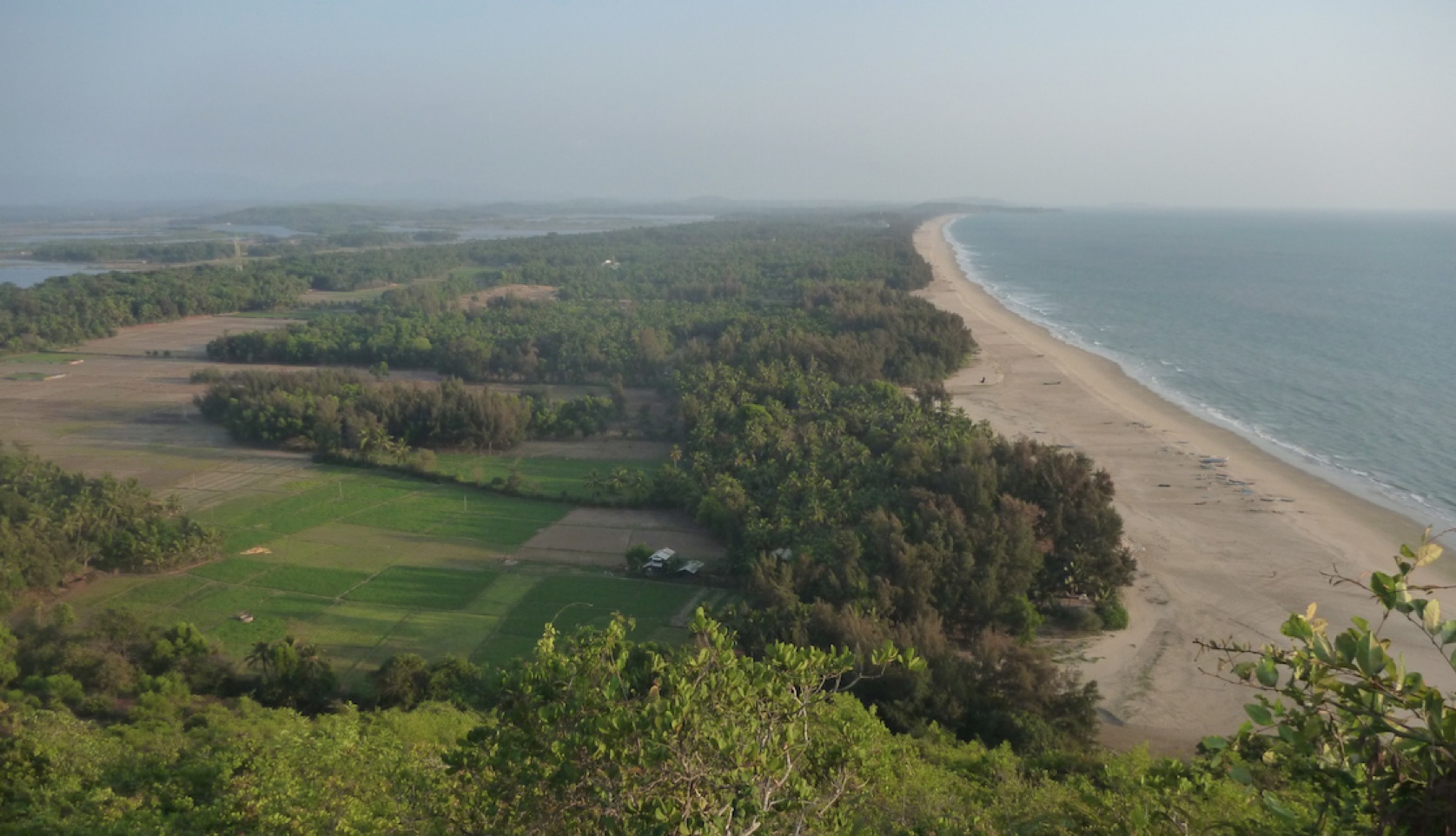
Ecosystem Services Valuation
Roughly US$297M a year, with UNISA Adelaide — the figure that made the case against industrial extraction.
05Documented Work
Only what is supported by the record — no completion percentages, no invented metrics.
Rural Green Business Incubator
Phased incubation across marine, bamboo, transportation, food-agro and homestay verticals — Phase I's own stated target, not an achieved outcome.
Enterprise
Basin & Ecosystem Mapping
Aghanashini basin ecosystem assessment and mapping, with Gubbi Labs.
Conservation · Research
The Innovation Toolkit
A 55-page applied methodology — Imagine, Nature, People, Story, Realise — produced with tonkin liu, in active use inside the incubator.
Research · Enterprise
Bamboo Economy Feasibility Study
A 2019 feasibility study and system-dynamics model with Gubbi Labs — substantial research base; current active status unconfirmed.
Research
Field Programmes
Named, ongoing engagement work, including a children's nature-walk field programme run on the estuary landscape.
Community · Education
06A Strong Evidence Moment
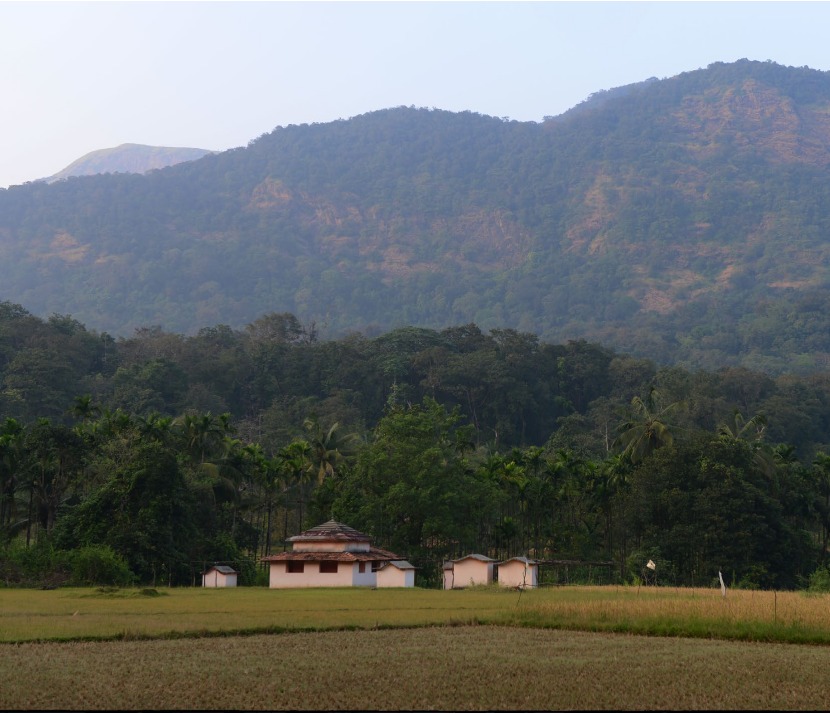
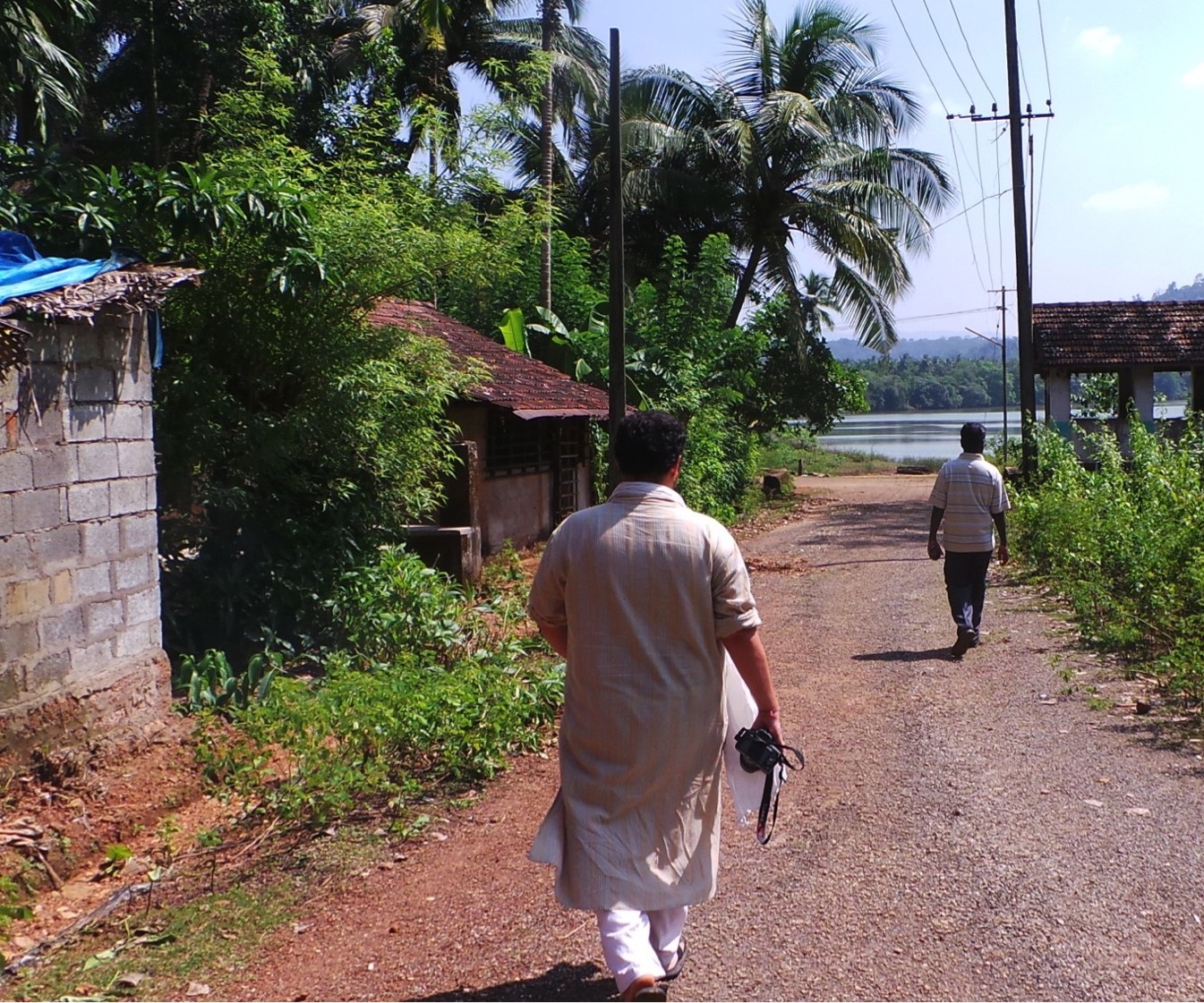
Why it matters: this is Panchabhuta’s own field photograph from the 2016 research and workshop that led to the Foundation’s first documented community joint venture — not a stock or staged image.
07What Impact Means Here
Impact is not always a number.
A landscape understood a little better than it was the year before.
Ecological evidence, documented and named with a partner.
Communities participating as partners, not subjects.
Local knowledge retained, not extracted and taken elsewhere.
Enterprises grown from research, held to an honest live/research-stage line.
Research read closely enough to change a policy outcome.
A relationship with one place, sustained for over a decade.
08The Record Continues
The landscape does not stay still, and neither does what Panchabhuta learns from it.