
01Place
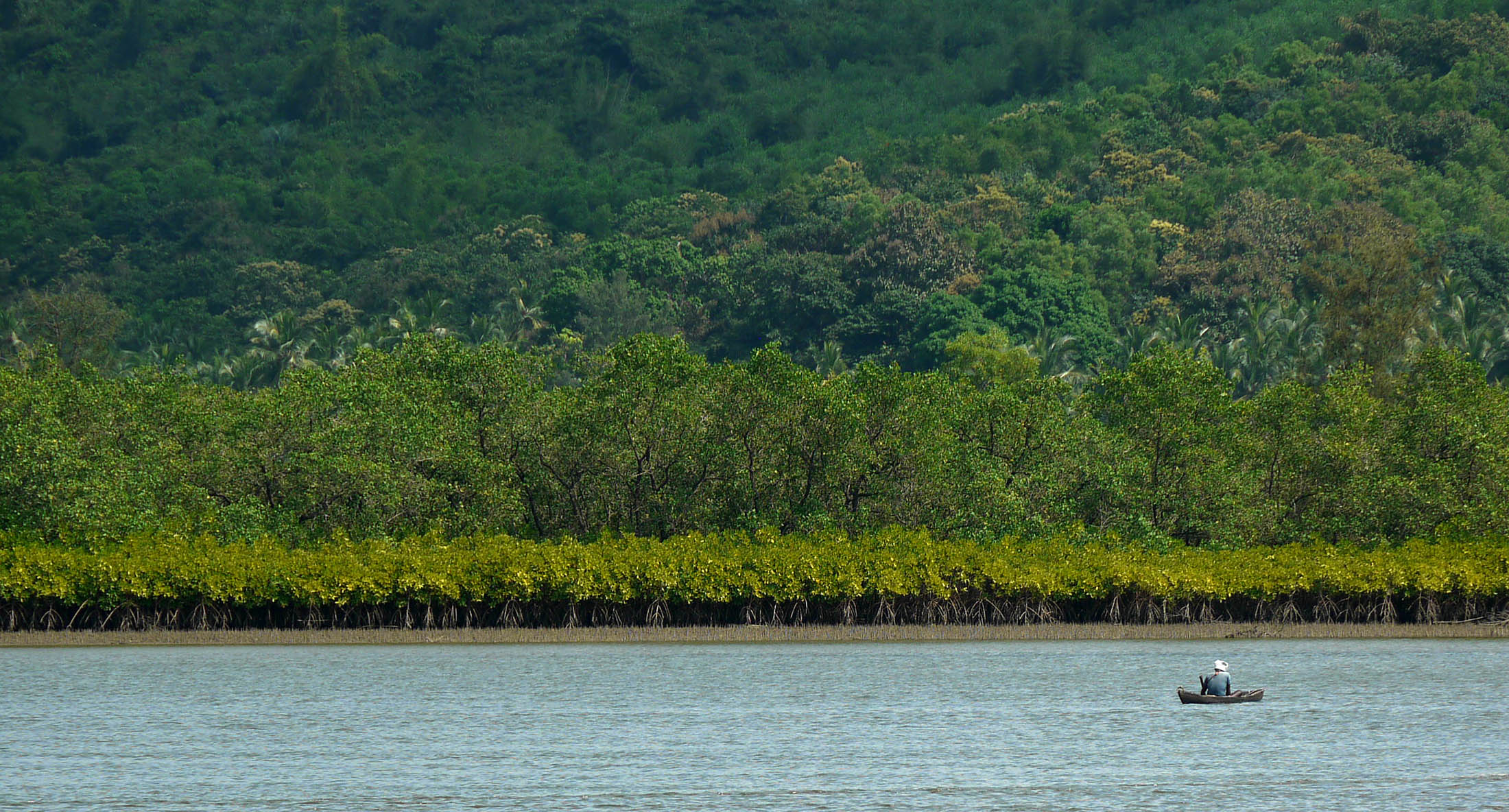
A field-rooted institution, centred on one estuary since 2015.
Panchabhuta Conservation Foundation works the Aghanashini Estuary and Kagal, Uttara Kannada — a Ramsar-designated wetland and one of the few undammed river mouths left on India’s west coast. A decade of continuous field research here — basin mapping, ecosystem valuation, and applied science — is the evidence base for everything the institution does next.
Research Partners
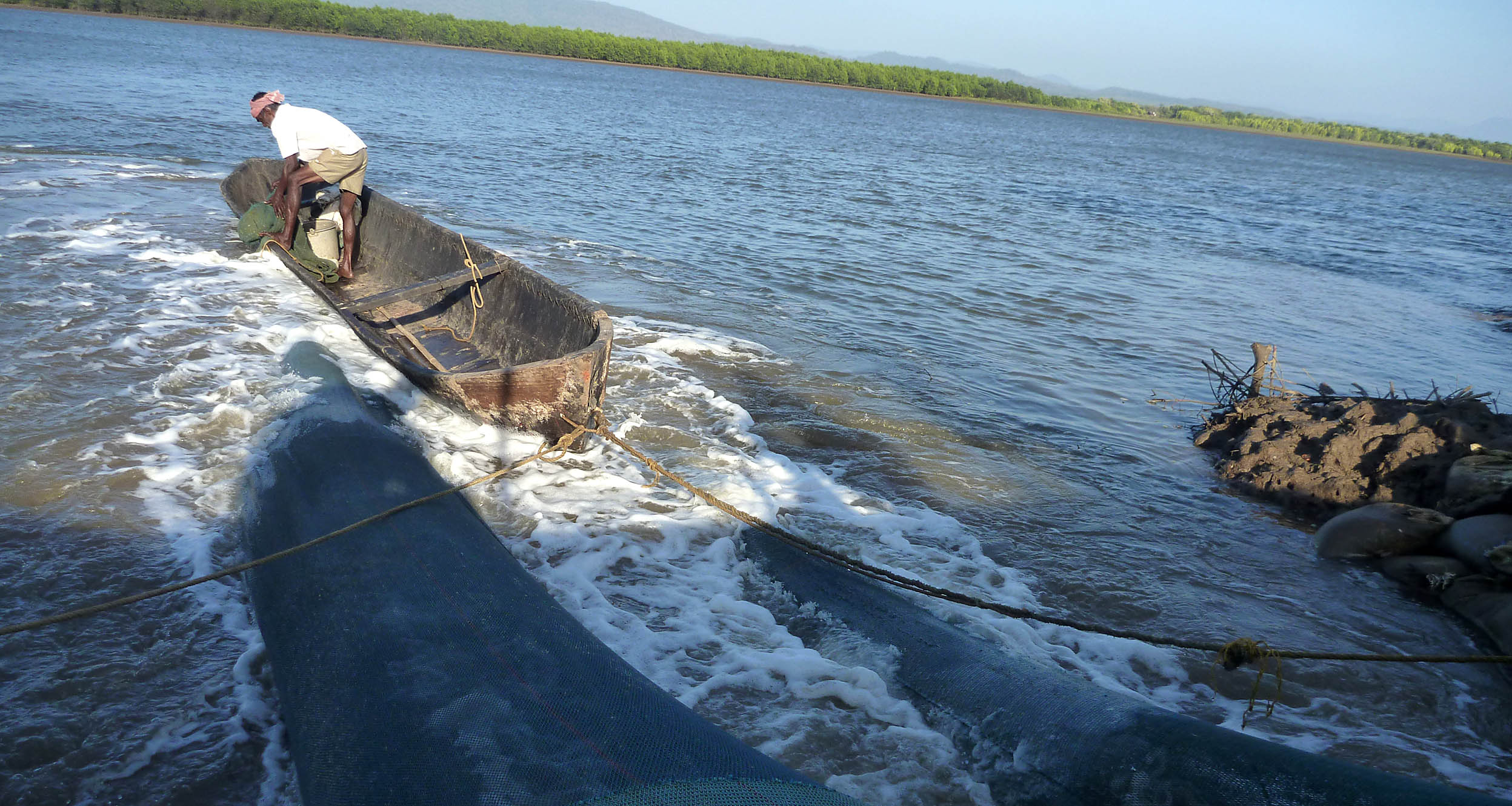
A gajni fish-trap being set on the estuary — the same field-level detail the institution’s own research is built from.
02Method
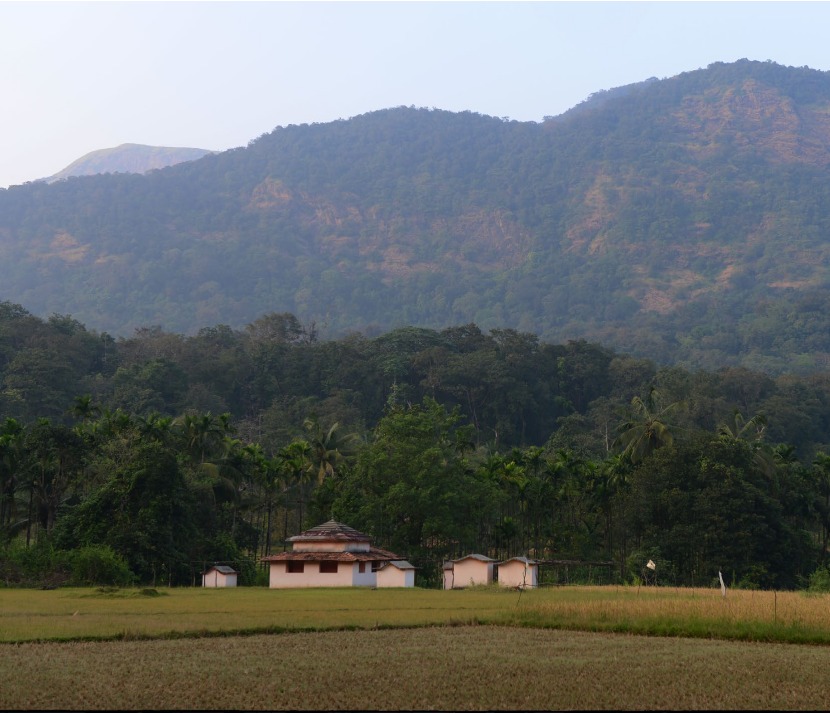
A landscape becomes evidence. Evidence becomes enterprise. Conservation, community and commerce — run as one method.
The method in practice, not just stated: this is the field research that grew into the Community, Enterprise and Replication stages below.
Landscape
The Aghanashini Estuary and Kagal— one of the last undammed estuaries on India’s west coast, and Ramsar-designated because of it.
Knowledge
Basin mapping with Gubbi Labs. Ecosystem valuation with UNISA Adelaide, worth roughly US$297M a year.
Community
Socio-economic research on fishing and aquaculture — the fieldwork that grew into the 2016 homestay joint venture.
Enterprise
Real nature-business exemplars: Panchabhuta Retreat, A’KA, Panchabhuta Natural Cosmetics and Kirubeli Cove.
Policy
The Tadadi Port industrial development — halted, escalated all the way to IISc and the UN.
Replication
Designed to repeat: the homestay JV model, and RGBI’s own phased targets — not a one-time outcome.
The Synthesis
No step stands alone. A landscape understood becomes the evidence that halts a bad development. That same evidence builds the trust that lets enterprise and community work together, not against each other.
Restored ecosystems, strengthened communities, reimagined commerce — not three separate goals, but one outcome: the well-being of the people, the place, and the businesses built on it.
See the Method at Work — What We Do03Ecosystem-Led Approach
When ecosystems thrive, so do we.
PCF works from a simple premise: conservation, community and commerce are not separate agendas. Rooted in the same place, they reinforce each other — this is what the method above is ultimately for.
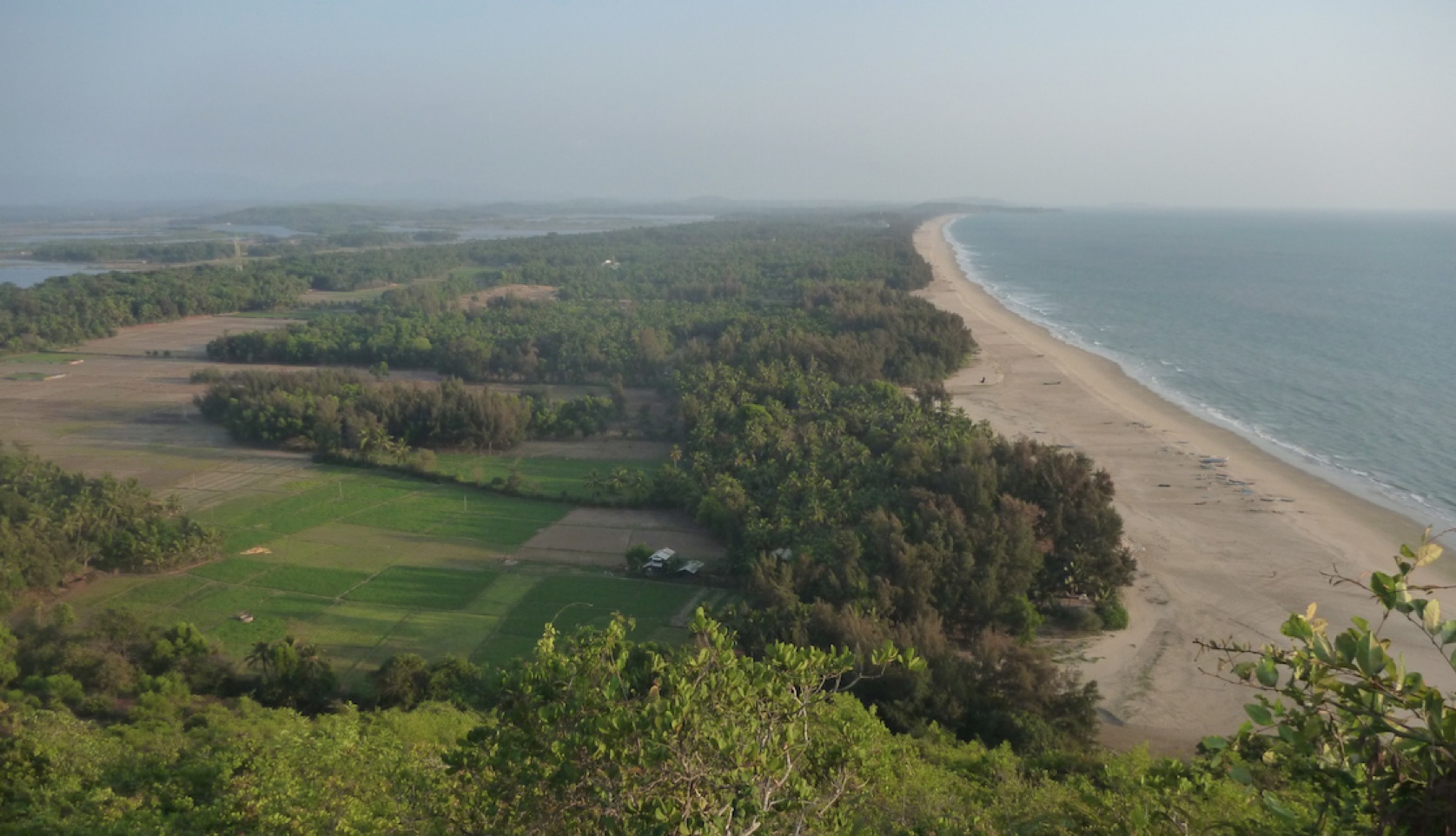
Regenerated ecosystems·Resilient communities·Place-based economies·Sustained livelihoods
Farmland, forest and coast in the same frame — conservation, community and commerce were never separate here to begin with.
Enhance Ecology
Conservation and food security. Climate resilience. The natural capacity a landscape needs to keep functioning — strengthened, not assumed.
Build Community
Training. New livelihood skills. Local institutions strong enough to outlast any one project.
Double Economy
A nature-business incubator. Local entrepreneurship. Market linkages that turn ecological understanding into an actual livelihood.
The principle is practical, not theoretical: ecological understanding becomes community capability, and community capability becomes nature-positive enterprise — the same logic already running Panchabhuta’s own real ventures.
See the Work Behind the Model04Evidence
The Tadadi Port was planned for the mouth of this estuary. It was never built.
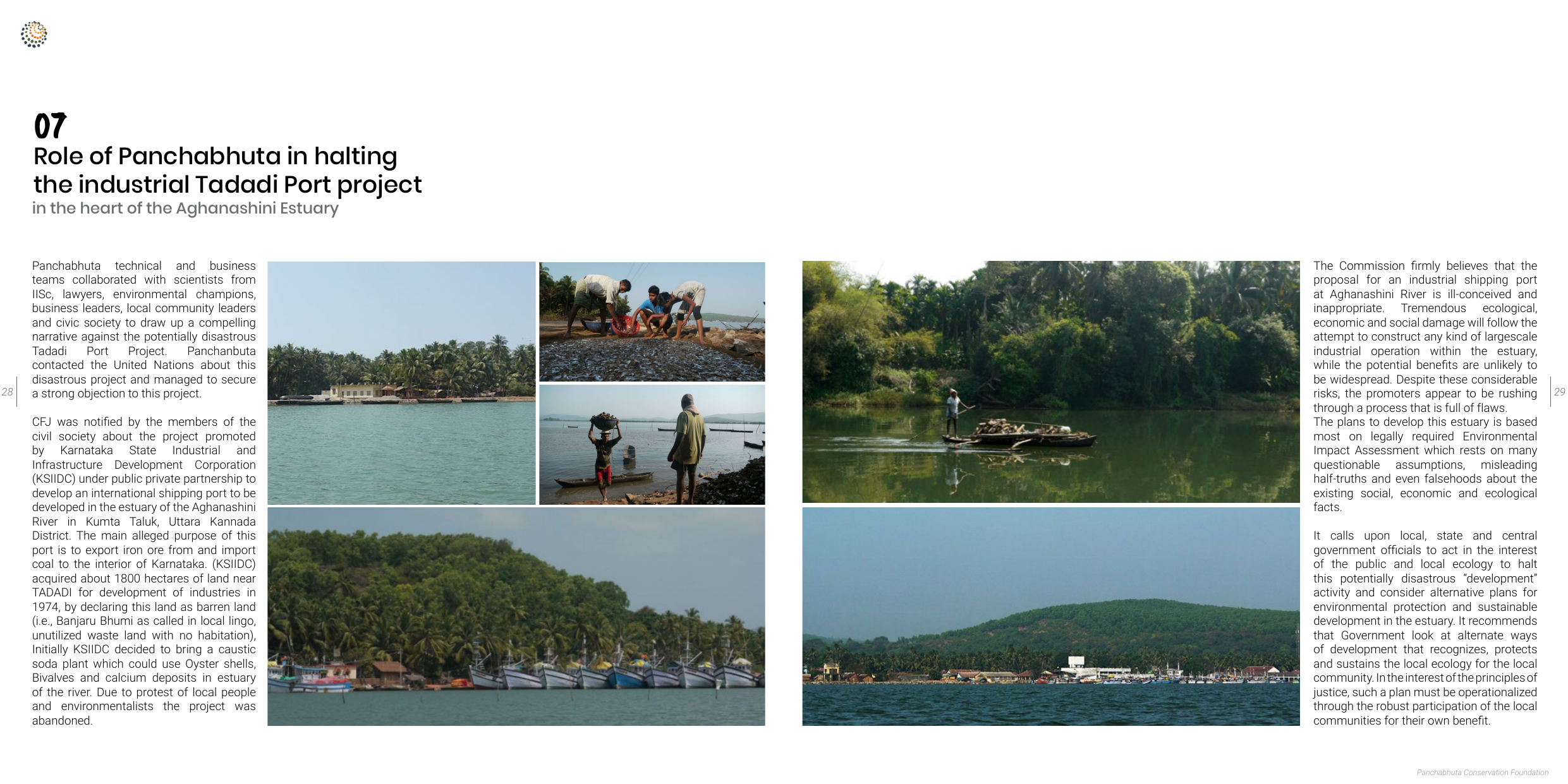
“The Commission firmly believes that the proposal for an industrial shipping port at Aghanashini River is ill-conceived and inappropriate.”
Page 29 of Panchabhuta’s own advocacy record — independent validation, not Panchabhuta’s own claim.
Also in the record
The same basin anchors ten research holdings with Gubbi Labs, UNISA Adelaide, IISc and NTNU — and two of five Green Economy verticals are already live ventures.
05People
Institutions are built by people who stay close to the field.
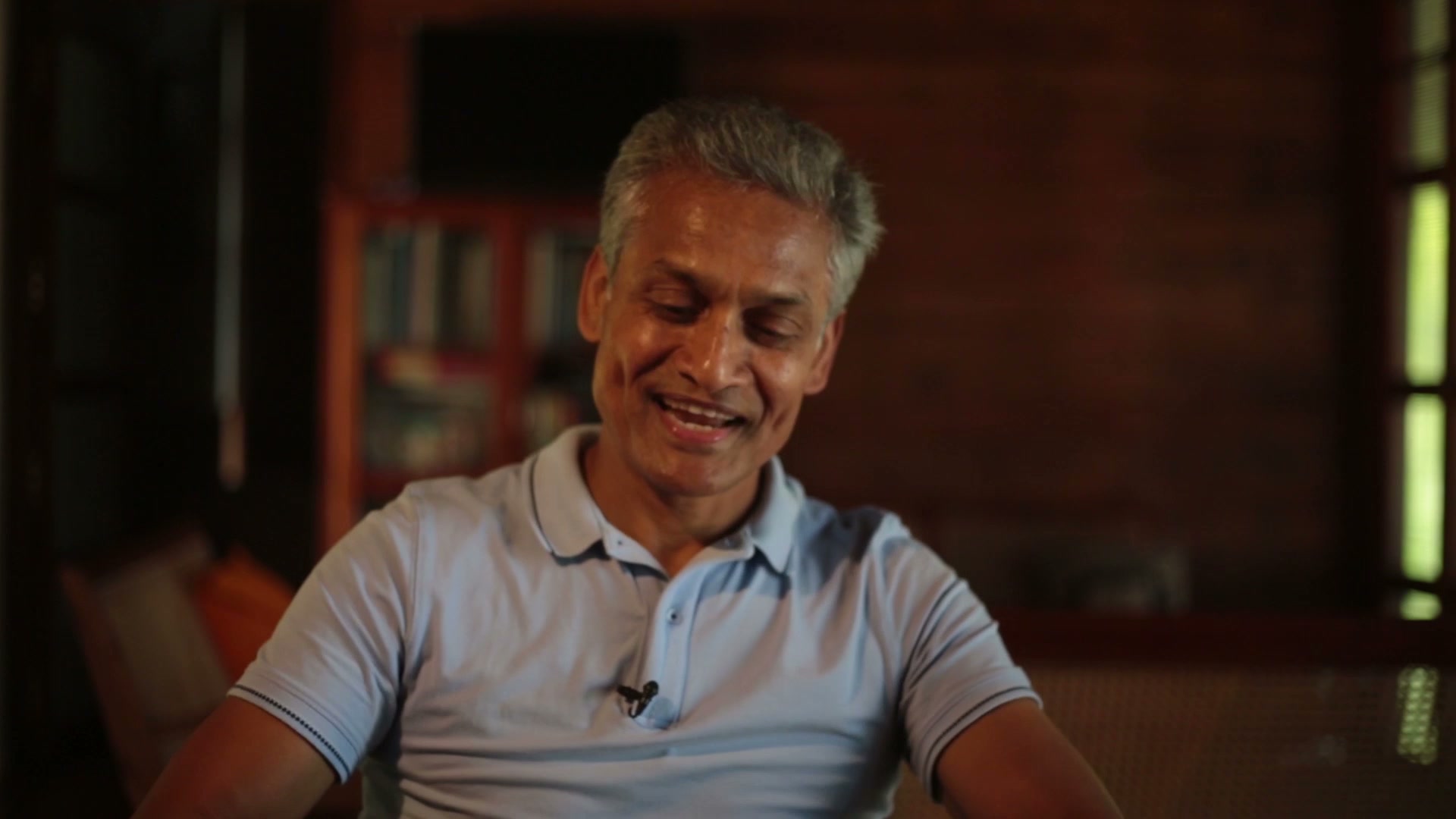
Mangal Shetty — Director, PCF
2:14
“I started my journey as a tech entrepreneur, but somewhere along the way, I felt the need to do something more connected to the land. In the prime of my career, I began shifting toward becoming a nature entrepreneur. I started investing in small but special pieces of land in biodiversity hotspots — places that have now become my canvas and my story. I’ve set out to build businesses in nature that create value not just financially, but also for people, communities, and ecosystems. I believe there’s a future where thousands of nature entrepreneurs are running thriving ventures while helping to regenerate forests, wetlands, and wild spaces. This is the work that gives me the most meaning — and I’m fully committed to it.”
He’s one voice in a wider institutional network — three directors, two advisory board members and two programme leads carry the work forward day to day.
06Journey
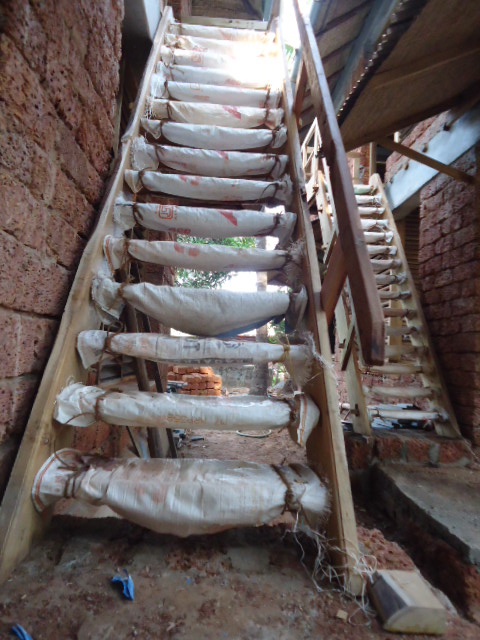
Local material, hands-on building — the same practice behind the 2012 construction prototype and the retreat below.
A decade of work, not one achievement stated once.
Five real milestones from that decade — not the full record, just the ones that explain where the names above actually came from.
Panchabhuta Conservation Foundation is founded, and begins prototyping sustainable construction with NTNU, Norway — a staff-quarters design still in use today.
With UK design studio Tonkin Liu, develops a practical toolkit for building nature-based enterprises, from first idea through to scale.
Revives traditional kokum-butter extraction — over 200kg produced — the real starting point of Panchabhuta Natural Cosmetics.
Turns the field station into a nature-immersive retreat during the pandemic — the real starting point of Panchabhuta Retreat.
The Aghanashini Estuary is formally designated a Ramsar wetland — a decade of the same fieldwork, reaching this point.
07What's Next
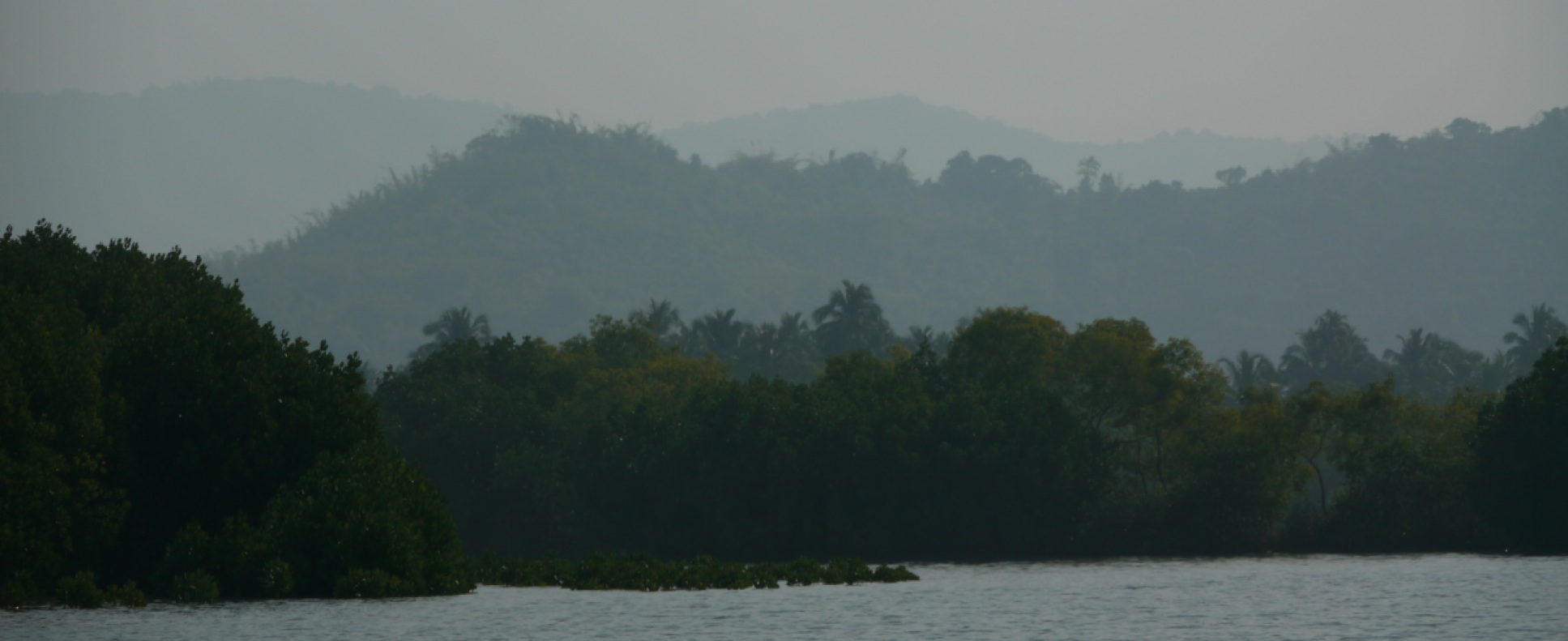
A Mangrove Innovation Lab is proposed for this same landscape — the next chapter, not yet built.
The proposal is for a research-driven hub in the Aghanashini ecosystem, translating a decade of fieldwork into conservation-led ventures across the mangrove economy, responsible tourism, sustainable construction, agro-food and marine value addition. As of March 2025, land is marked available, not secured, and no partners are yet confirmed.
Research & Innovation Opportunities
Mangrove Economy · Responsible Tourism · Sustainable Construction · Agro-Food · Sustainable Transportation · Marine Value Addition
08Participate
The work is open to research, partnership, contribution and learning.
Whether that means fieldwork, funding, hands-on collaboration or simply learning more — there’s a real way in.